
Storm repair starts with figuring out what actually changed.
After a storm, the visible damage is only the starting point. JIPA looks at where water traveled, what materials were affected, how exterior assemblies were attached, and whether the surrounding areas still support a proper repair.
That matters because restoration is different from new construction. In new construction, the builder starts with open conditions. In restoration, the builder has to read what is already there before deciding how to rebuild it.
JIPA starts by reading the existing building
A storm repair is not only about replacing the damaged material.
Before work moves forward, JIPA reviews the existing structure, attachment points, substrate, drainage paths, water exposure, access, and how the repair will connect back into the surrounding work.
That review helps determine whether the project needs a direct replacement, a deeper repair, or a different construction approach so the same weak point does not remain in place.
The visible damage is not always the full scope
Water and wind can affect areas beyond the surface damage people notice first.
JIPA looks for signs that a repair may need to go farther than the obvious area, especially around transitions, openings, exterior walls, rooflines, and places where materials meet.
Those are the areas where a rushed repair can leave problems behind.
Restoration requires careful sequencing
Repair work usually happens around existing conditions, occupied spaces, weather exposure, and access limitations.
JIPA plans the order of work so demolition, repair, replacement, waterproofing, inspections, and finish work happen in the right sequence.
That sequencing protects the repair and reduces the chance of creating new problems while correcting the original damage.
The goal is a repair that belongs to the building
A good restoration should not look like a patch.
JIPA pays attention to how new work ties into existing materials, how exterior details line up, how water will move after the repair, and whether the finished result will hold up in South Florida conditions.
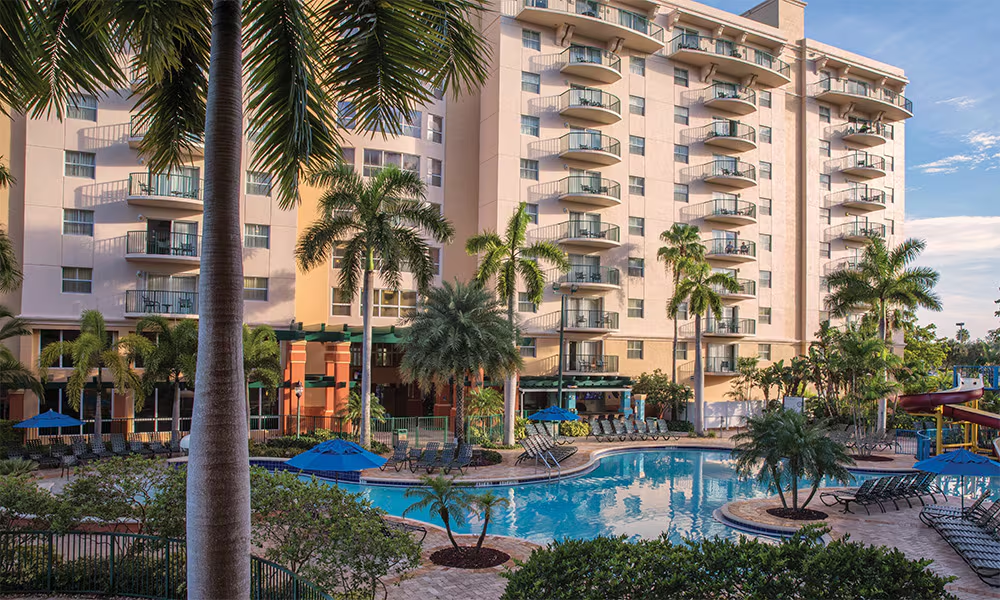
Projects like Wyndham Palm Aire require practical judgment, not assumptions. The building already has a history. The builder’s job is to understand that history well enough to repair it properly.


